Updated March 2026
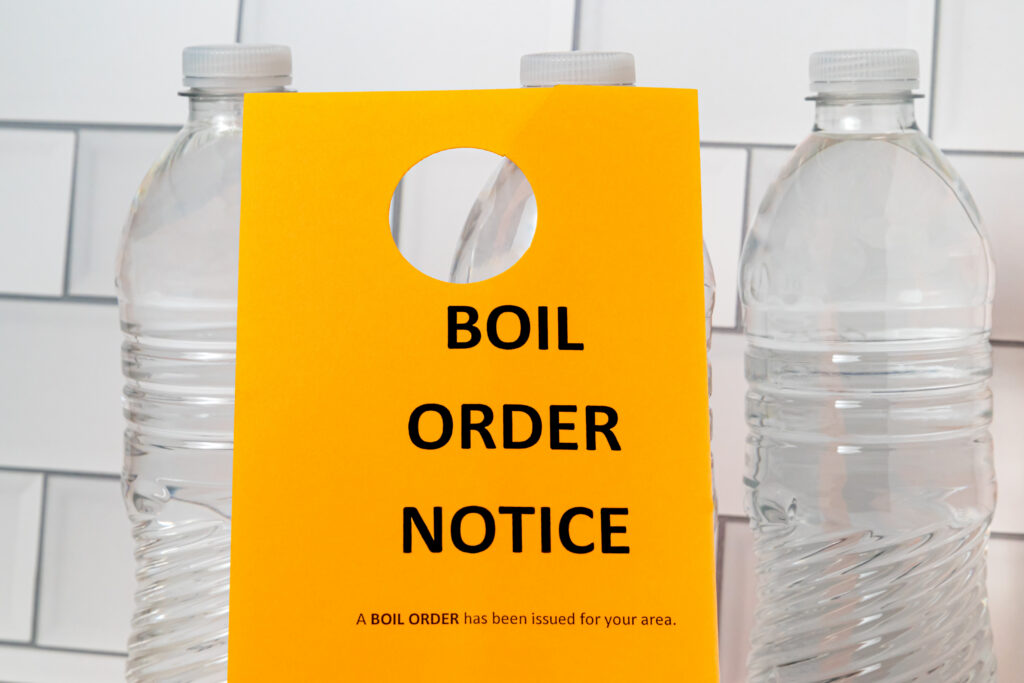
If you have municipal water or “city water,” you may receive a “Boil Water Notice.”
It is essential to follow a Boil Water Notice and stop using the water around your home, including your kitchen, bathroom, and appliances.
Local water authorities issue these warnings when germs or pathogens enter your water supply to a level that could cause illness. This can happen for a variety of reasons, including equipment failure or broken pipes in the water system, but in Michigan, they most commonly occur after springtime flooding or major weather events.
Events like this can cause sewage or contaminants from the ground to seep into the water supply. Exposure to contaminated tap water can lead to a range of illnesses, including gastrointestinal issues, diarrhea, nausea, vomiting, headaches, cramps, and, in rare cases, waterborne diseases such as typhoid fever, cholera, and dysentery.
What should I do when I receive the order?
Boil water notices typically come with very specific instructions on how you can use or not use the water, depending on which pathogen is affecting it. It’s important to follow these instructions carefully. You can either purchase bottled water to use around your home or use boiled tap water.
How do I boil water to decontaminate it?
In order to purify contaminated tap water through boiling, bring water to a full rolling boil for one minute and then allow it to cool. This helps kill any pathogens present. Then, your cooled, boiled water can be safely used and consumed. It’s important to avoid actively or passively ingesting tap water that hasn’t been boiled. This includes more than just drinking water.
When to Use Boiled Tap Water or Bottled Water
- Drinking
- Cooking
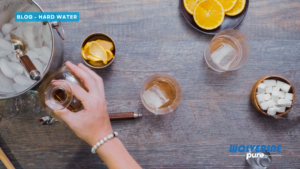
- Using water or ice from a refrigerator
- Washing fruits and vegetables
- Preparing infant formula
- Brushing teeth
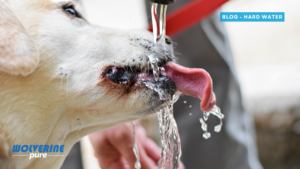
- Feeding pets
- Bathing young children
- Using appliances such as coffee makers, ice and water makers in refrigerators, etc.
Typically, washing hands, bathing (for adults), and doing laundry are still safe to do without boiling your water. Check out this helpful guide for more info, and always adhere to your local water authority for specific instructions about your region’s unique challenges.
What do I do once the Boil Water advisory is over?
Once the order is lifted, it’s important to take a few precautionary measures before going back to normal water use. We recommend:
- Run the dishwasher through an empty cycle.
- Run all cold-water lines inside and outside the house for at least five minutes to flush them out. Run hot-water lines for at least 15 minutes
- Boil or disinfect faucet screens.
- Flush and sanitize water-based appliances, including the refrigerator water line, icemaker, coffeemaker, and tea kettle.
- Change your refrigerator’s water filter.
What if I have filtered water?
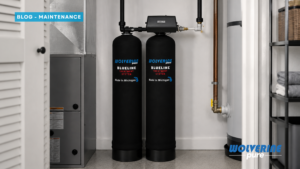
While whole-home water purification systems remove many troublesome contaminants from your water, they cannot reliably remove all pathogens. The safest choice in all cases is to adhere to the specific guidelines listed in the boil water advisory you receive from your local water authority. Water purification systems are designed for more common water contaminants, such as minerals, limescale, and rust, and not the rarer instances of pathogen contamination.
At Wolverine Water, the health and safety of the communities we serve is our highest priority. If you have any questions or concerns about your home water quality, call our office today at 800.589.8507. We will do our best to answer your questions about rare cases like municipal water contamination and discuss whole-home water filtration options for everyday use.