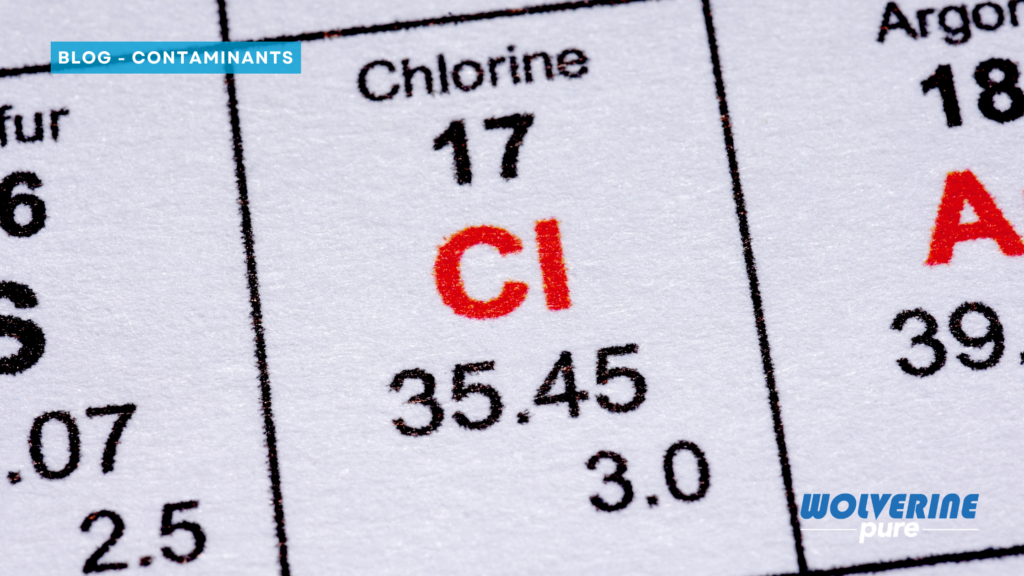
Chlorine is the most common additive to municipal water or “city water.” It’s used around the world to disinfect drinking water systems and prevent the spread of waterborne diseases. While it plays a crucial role in keeping us safe from bacteria, the addition of chlorine has other negative consequences for homeowners. Let’s take a closer look at some frequently asked questions about chlorine and discuss how you can address the negative impact on your home’s water supply.
Why Do We Chlorinate Public Water?
Municipal water suppliers began using chlorination to disinfect public water supplies beginning in the late 1800s to early 1900s. At this time and in the centuries prior, waterborne illnesses were extremely common and often deadly. Bacteria, viruses, and parasites could easily enter a public water supply, causing widespread cases of typhoid, cholera, dysentery, hepatitis, and others. When chlorination began, the U.S. Centers for Disease Control and Prevention marked significant decreases in these diseases.
Chlorine is still considered one of the most effective methods for disinfecting public water supplies.
How Does it Work?
Chlorine is a powerful chemical that damages the cell membrane in bacteria, viruses, fungi, and other water contaminants. It’s an effective way to kill any harmful germs that can be found in groundwater or surface water sources.
Sometimes, municipal water providers will switch between chlorine and chloramine, a more stable form of chlorine. Chloramine lasts longer and is considered more stable, helping ensure that public water supplies are continuously disinfected as they travel through the long journey from the treatment plant to your tap. This protects public water supplies from contamination from the slimy biofilm that can develop along reservoirs, on the inside of public water mains, or even in your home’s plumbing.
Is Drinking Chlorine Bad For You?
The Environmental Protection Agency (EPA) has determined that chlorine and chloramine are safe for drinking water up to 4 parts per million. Municipal water suppliers test their water every month for all additives and contaminants to ensure that they stay within regulated levels. You can monitor this yourself by taking a look at your annual water quality report. Chlorine and chloramine are listed as contaminants, and municipal water supplies are obligated to document any time they go above or below recommended levels.
So, drinking water with chlorine is unlikely to cause immediate health effects.
However, research from Johns Hopkins suggests that when chlorine interacts with organic matter already present in water, it can create substances known as disinfection byproducts, or DBPs, which can sometimes be toxic and carcinogenic (cancer-causing). These DBPs may pose health risks over time.
In addition, some users with asthma report respiratory issues after inhaling steam from showers with chlorinated water. Chlorine can also dry out your skin and hair, causing irritation and itchiness.
How Can I Remove Chlorine From My Home’s Water Supply?
Chlorine is effective at killing bacteria, but it can create an unpleasant taste, smell, and showering experience in your home. While there are small things you can do to help diminish the chemical taste, it won’t solve the root of the problem.
The most effective way to remove chlorine from your home’s water is to install a whole-home water purification system. A whole home system uses ultrafiltration to filter all of the water that comes through every tap in your home, ensuring that it’s free from the bacteria and viruses that chlorine protects you from, as well as the distinct chemical taste and potential health hazards.
To learn more about chlorinated water or installing a whole home system, give us a call at (800) 589-8507 or send us a message. Our team would love to help you!